Why Paris Belongs Among the Marathon Majors
The Schneider Electric Paris Marathon returned on 12 April 2026, welcoming nearly 60,000 runners to the streets of the French capital.
As the largest marathon in continental Europe and one of the biggest marathons anywhere in the world, Paris combines the scale of a Major with some of the most iconic scenery in the sport.
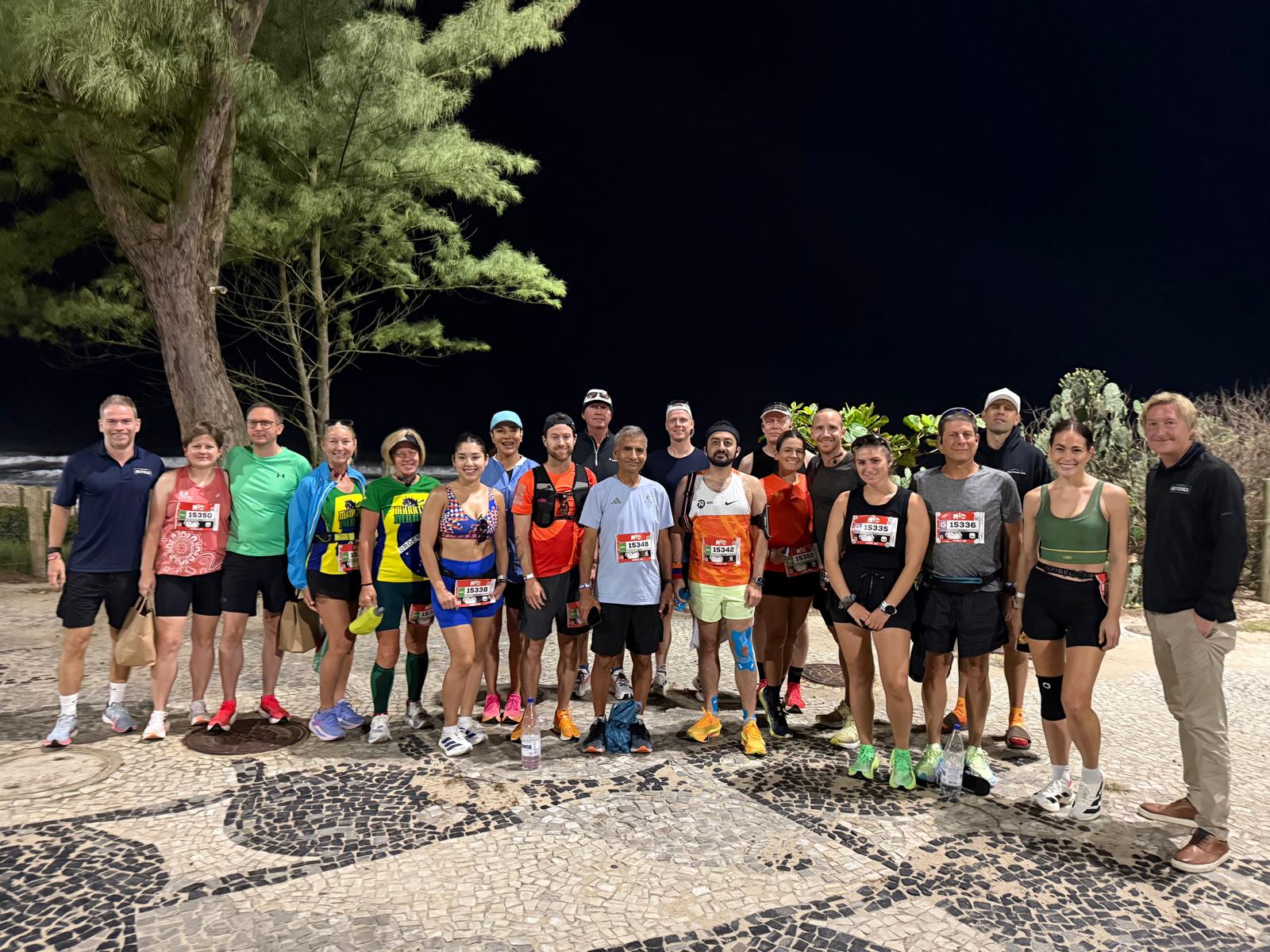
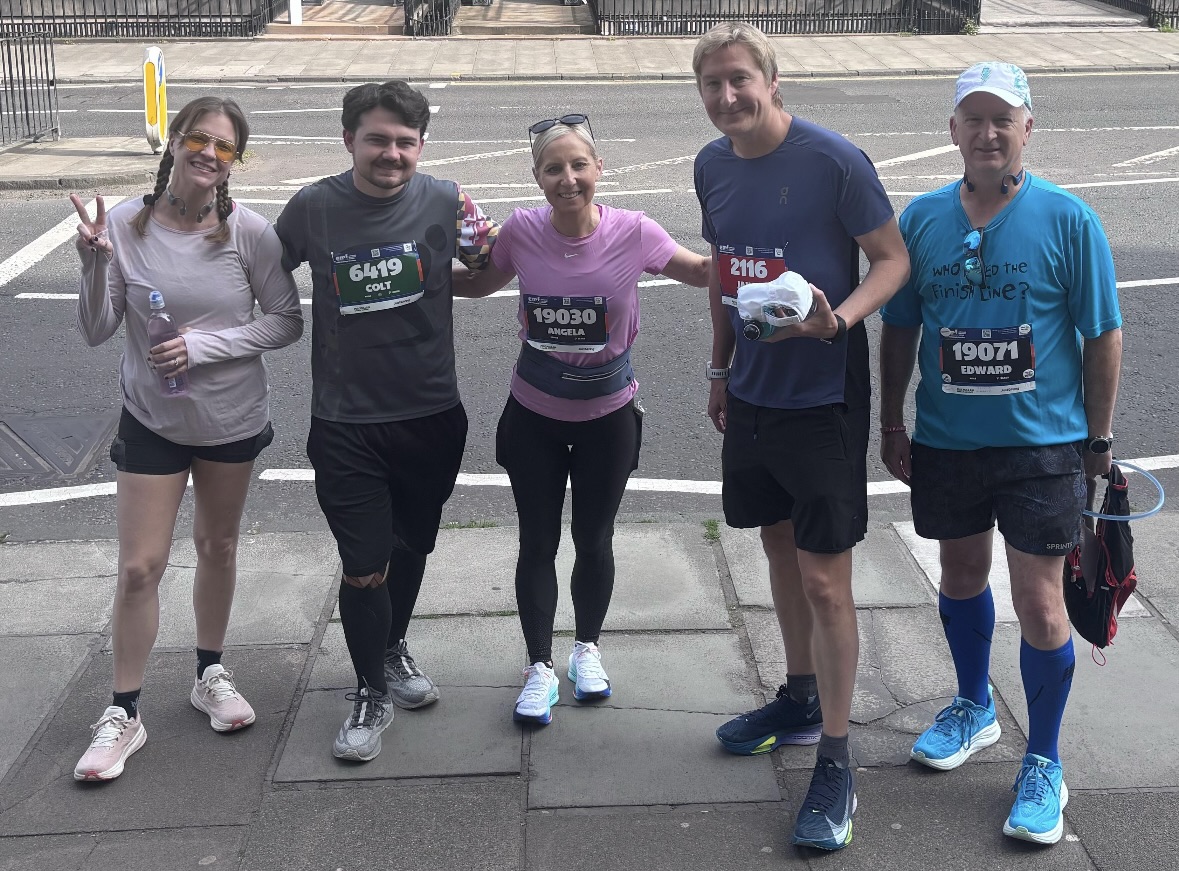
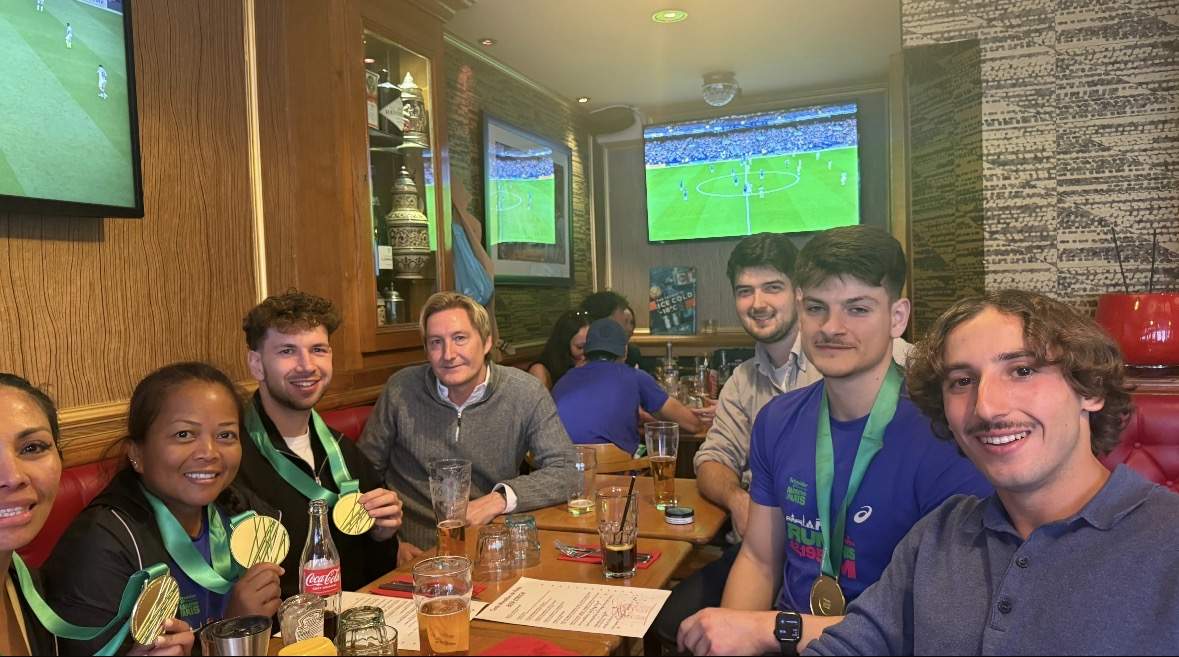
This was Race Beyond's first trip to Paris Marathon, with runners joining us from Hawaii, across the United States and from the United Kingdom.
Having experienced the event firsthand, we'd comfortably place Paris above several current Abbott World Marathon Majors as an overall marathon experience.
Exploring Paris
One of the biggest advantages of Paris is that it's a destination city long before race day arrives.
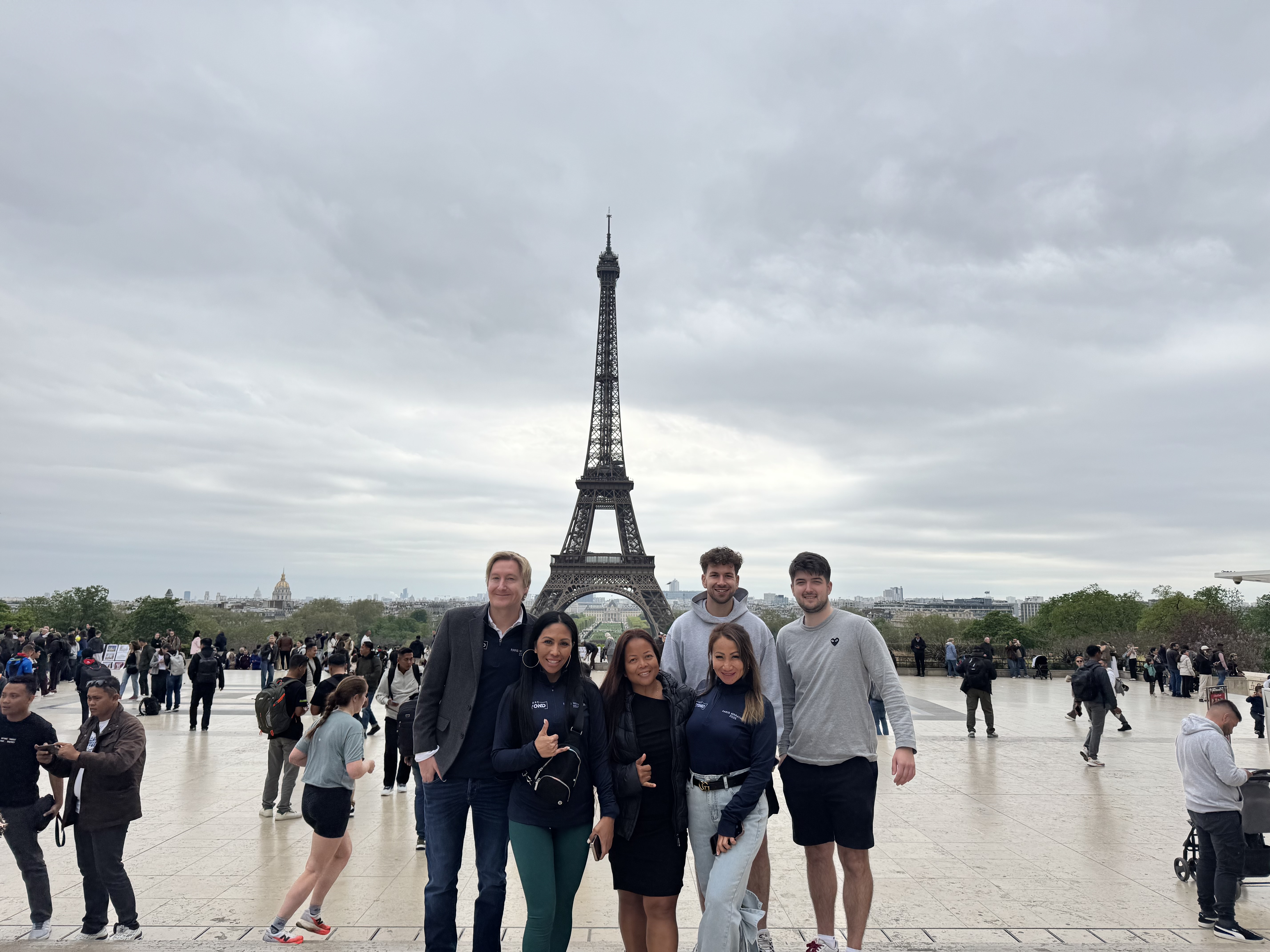
Over the weekend, runners explored landmarks including the Eiffel Tower, Arc de Triomphe, Notre-Dame, the Louvre and the Seine. We also hosted a city tour and group dinner, giving runners the chance to experience the city together before turning their attention to race day.
For many in the group, it was their first visit to Paris.
Race Weekend
Ahead of race day, runners attended the Expo, explored the city and joined us for a group dinner in central Paris.
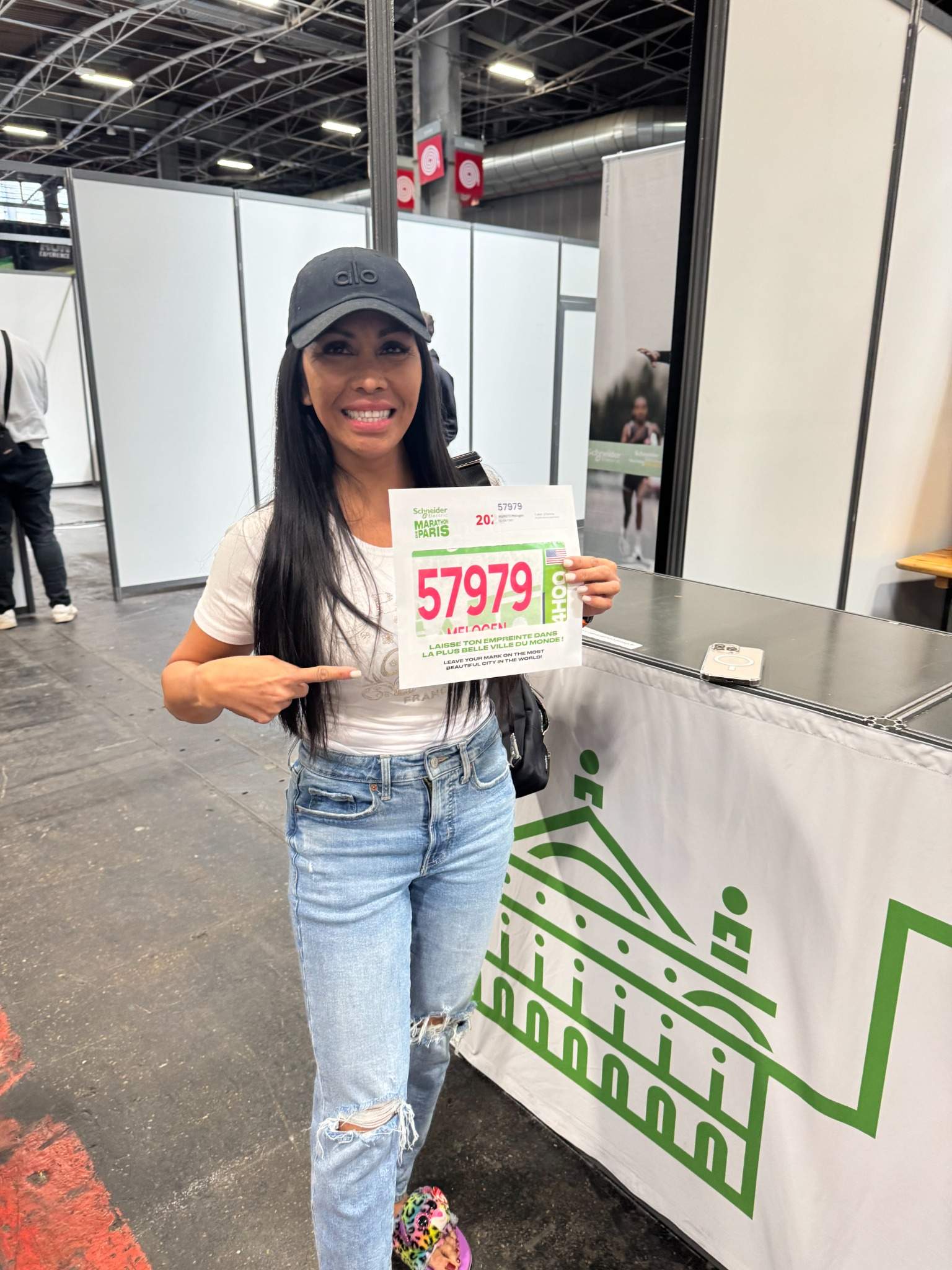
One of the standout operational successes of the weekend was the Expo itself. Despite welcoming nearly 60,000 runners, bib collection was remarkably quick and efficient. The process was straightforward, queues moved quickly and most runners were in and out far faster than expected.
The Expo was also where runners received the foldable reusable cup that would be used at hydration stations throughout the course.
Marathon Day
The race starts on the Champs-Élysées and finishes on Avenue Foch, just a short walk from the Arc de Triomphe.
Unlike point-to-point races, Paris benefits from having both the start and finish located in central Paris, making race-day logistics significantly easier for international runners and supporters.
With nearly 60,000 participants, the organisers use a staggered wave system to spread runners across the course. Depending on your assigned start wave, some runners don't cross the start line until several hours after the elite athletes have begun.
Despite the scale of the event, the process felt smooth, organised and surprisingly stress-free.
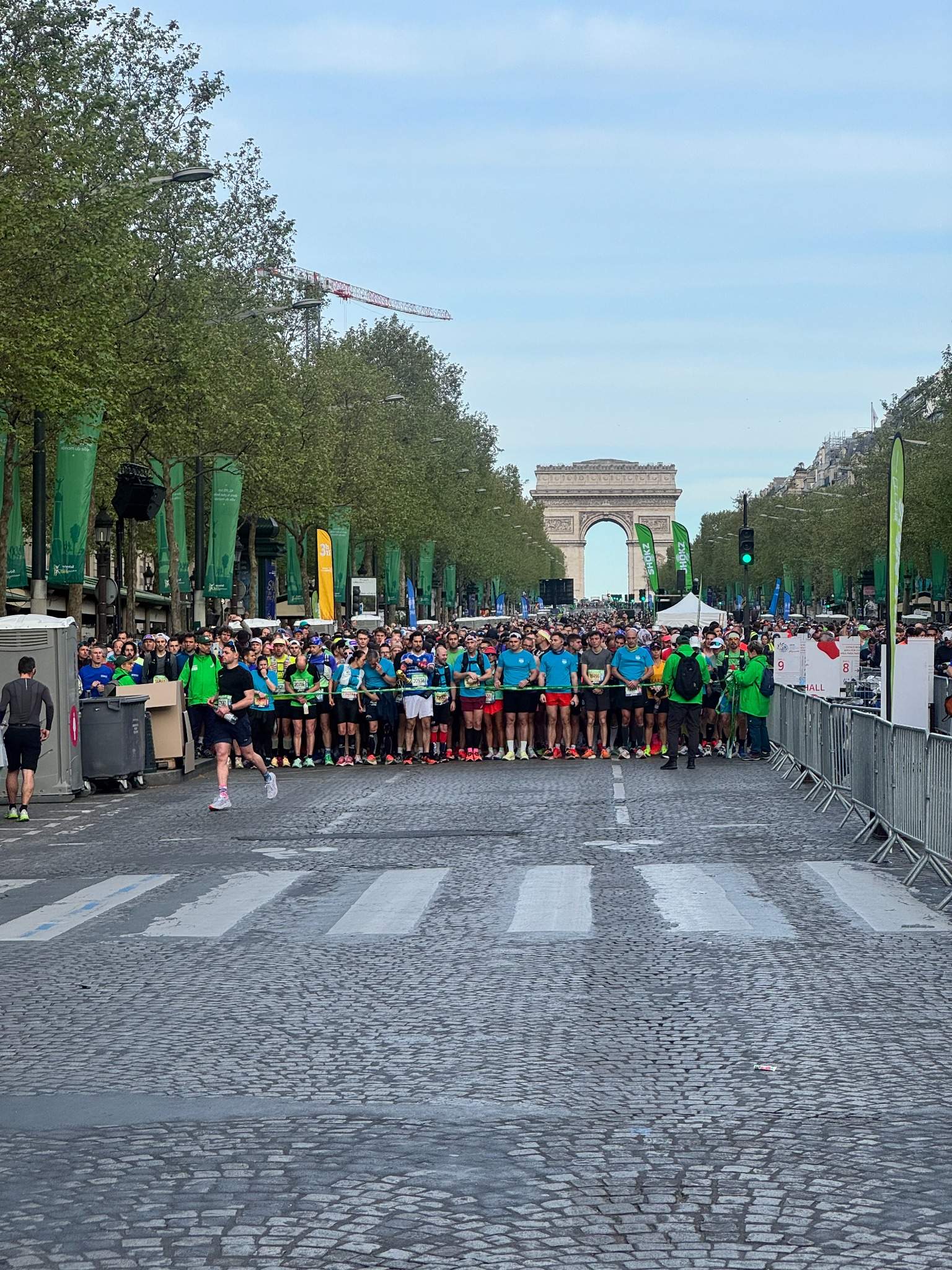
The Course
The Paris Marathon offers one of the most iconic city-centre routes anywhere in the world.
The course passes many of Paris' most famous landmarks, including:
- Champs-Élysées
- Place de la Concorde
- Opéra Garnier
- Place de la Bastille
- Bois de Vincennes
- Notre-Dame
- The Seine
- Eiffel Tower
- Bois de Boulogne
- Arc de Triomphe
Few marathons can match Paris when it comes to sightseeing. From start to finish, runners are surrounded by world-famous landmarks and historic streets.
The route is not completely flat, with several rolling sections and tunnels breaking up the rhythm. However, the organisers have turned these sections into part of the experience. Several tunnels featured lighting displays, music and even live techno DJs, creating an atmosphere unlike any marathon we've experienced before.
It's a small detail, but one that captures what Paris does so well - combining a world-class marathon with a uniquely Parisian sense of spectacle.

Hydration Without Bottles
One of the biggest operational changes for 2026 was the removal of disposable cups and bottles from the course.
Instead, runners either carried their own hydration solution or used the reusable foldable cup supplied at the Expo.
At first glance, it seemed ambitious given the size of the race. In practice, it worked surprisingly well. Aid stations flowed smoothly, volunteers were well organised and the system was far more efficient than many runners expected.
While it may add a few seconds compared to grabbing a paper cup on the move, it was a successful step towards a more sustainable event and something we could easily see adopted by other major marathons in the future.
Photos
Logistics
One of Paris Marathon's biggest strengths is its simplicity.
With both the start and finish located in central Paris, runners can easily access the race using public transport and supporters can see participants multiple times throughout the day.
Compared with races that require long bus journeys before the start or complicated finish-line transport afterwards, Paris is refreshingly straightforward.
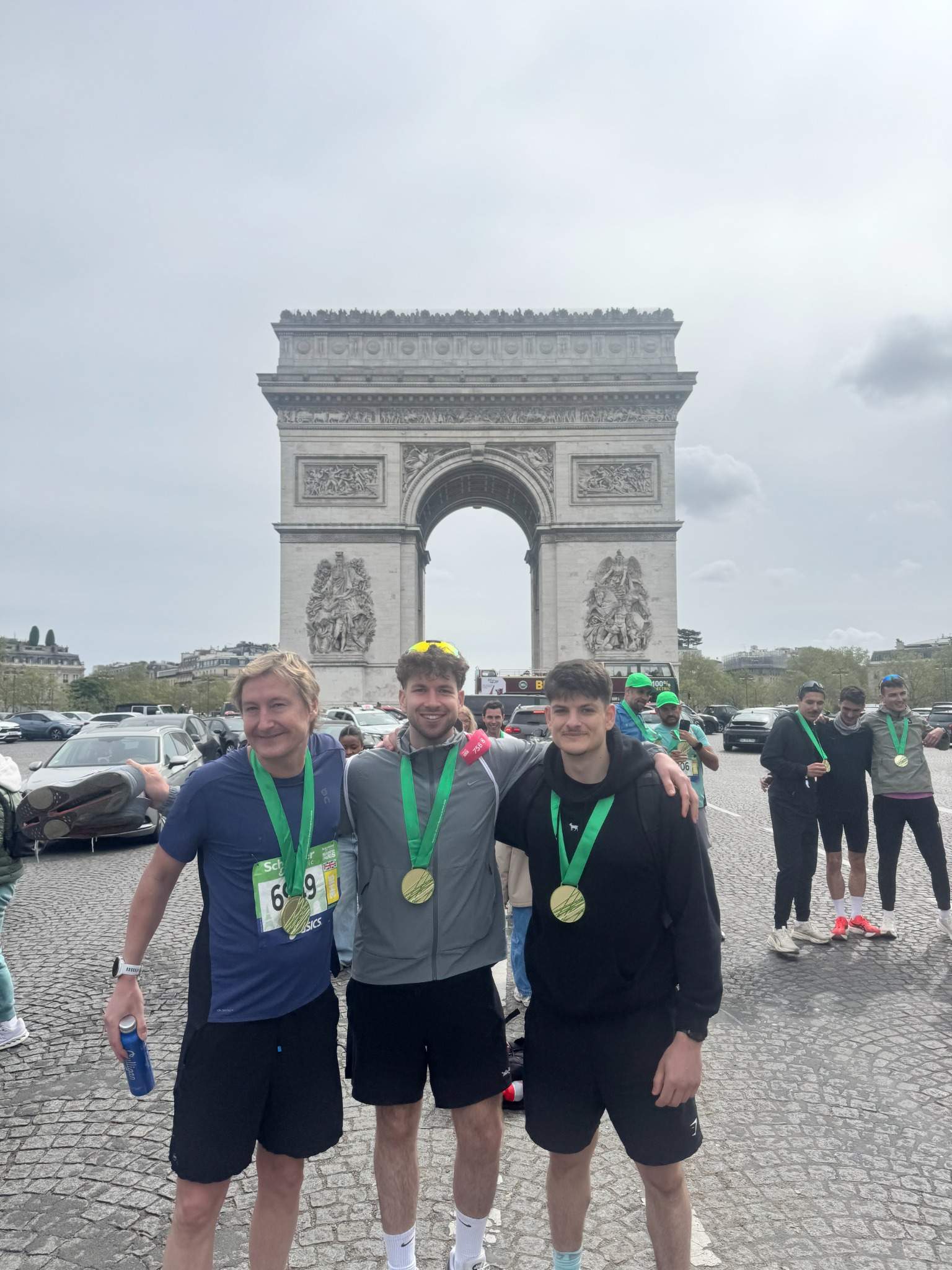
Our Verdict
Paris Marathon exceeded expectations.
The combination of nearly 60,000 runners, world-famous landmarks, straightforward logistics and a genuinely impressive race-day atmosphere creates one of the best marathon experiences anywhere in the world.
Paris doesn't just rely on its landmarks. From live music on the course to techno DJs and light shows in the tunnels, the organisers have created an atmosphere that feels modern, energetic and distinctly different from most major city marathons.
While it doesn't receive the same attention as some of the Abbott World Marathon Majors, we'd comfortably place Paris ahead of several current Majors as an overall race experience.
If you're looking for a major-city marathon that combines history, culture, atmosphere and one of the most iconic courses on the planet, Paris should be near the top of your list.
By The Numbers
- Nearly 60,000 runners
- Largest marathon in continental Europe
- One of the world's largest marathons
- Runners from Hawaii, the United States and the United Kingdom
- Start on the Champs-Élysées
- Finish on Avenue Foch
- First year without disposable cups or bottles on the course